
DTF Transfers Austin: 7 Powerful Benefits for Creators
Refresh your custom apparel with vibrant detail, flexible quantities, durable application, and support from a local printing team that understands Austin’s fast-moving creative community.
When warm weather arrives and you are ready to refresh your look, Direct-to-Film printing offers a practical way to produce custom apparel. DTF Transfers Austin creators use can reproduce full-color artwork with sharp detail without the large minimums and complex setup often associated with traditional printing.
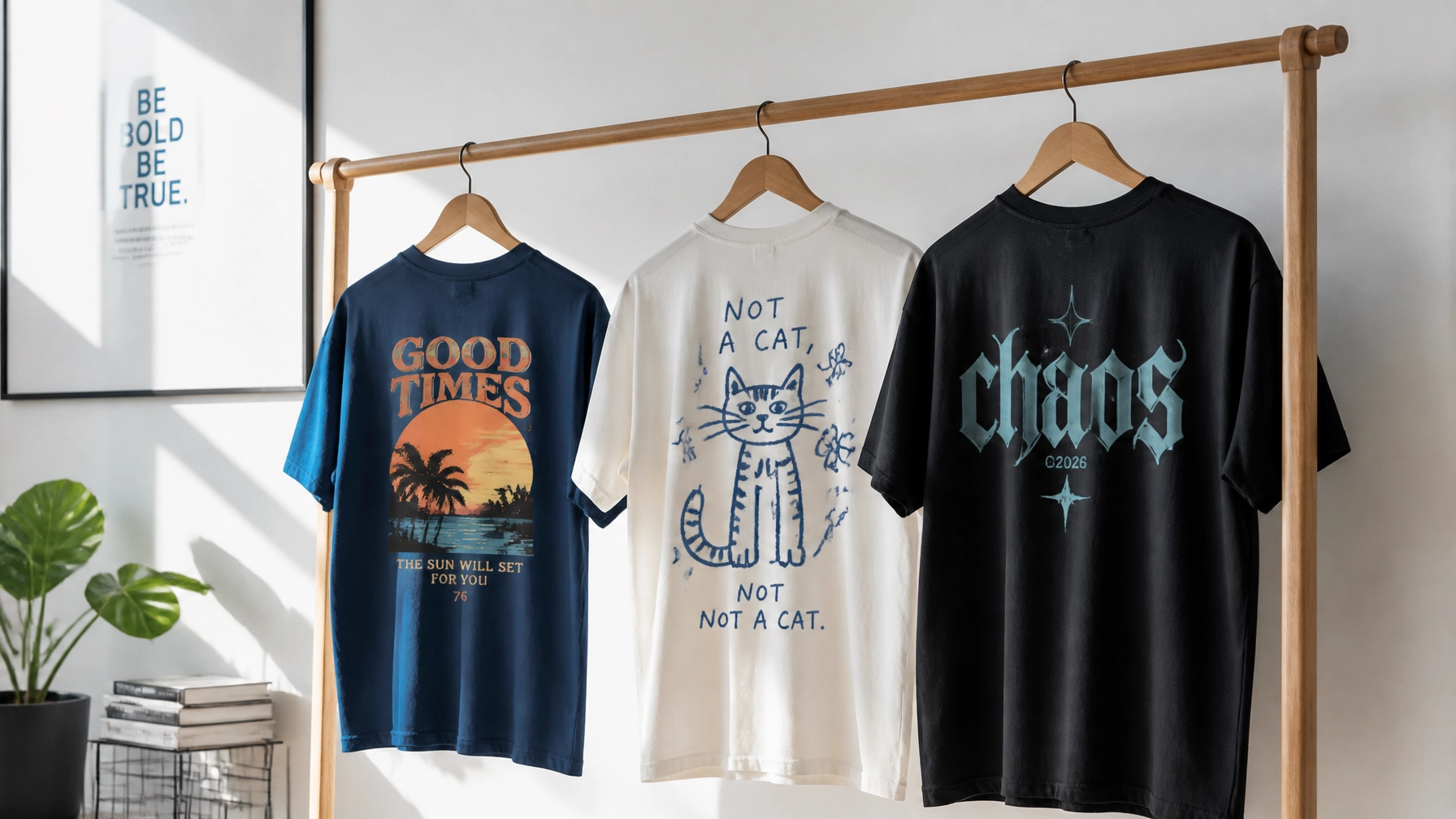
Walk through East 6th Street, South Congress, or a neighborhood market and you will see independent brands using detailed graphics, gradients, and photographic elements. Modern DTF printing transfers that artwork from specialized film onto compatible garments with adhesive powder, controlled heat, and pressure.
Why DTF Transfers Austin Brands Choose Stand Out
Austin’s do-it-yourself culture depends on accessibility. Creators need to test an idea, prepare a limited release, or fulfill a small event order without committing to hundreds of pieces. DTF makes short runs financially practical while preserving the flexibility to scale successful designs later.
1. Professional Detail Without Color Limits
The strongest advantage appears in the artwork itself. Intricate designs with color transitions, texture, small lettering, and photographic elements can print as one transfer. The result depends on the source file, printing equipment, inks, film, adhesive, curing, and final application.
Premium production begins with a high-resolution image printed on specialized film. Quality pigments maintain their appearance better than bargain materials, which is why cutting corners on transfer quality can cost more when garments need to be replaced.
2. Reliable DTF Transfers Austin Production
Adhesive powder needs even coverage and controlled curing. Excess powder can create a heavier feel, while insufficient coverage can weaken adhesion. Heat-press temperature, time, and pressure must also be appropriate for the transfer and fabric.
Experienced operators understand that a transfer intended for a tri-blend shirt may require different handling from one applied to 100% cotton. Follow the current SpeedE heat-press instructions and test unfamiliar garments before starting a larger production run.
3. Small-Batch Testing for Local Brands
Austin fashion moves quickly. A graphic that attracts attention today may be replaced by the next trend within weeks. With DTF Transfers Austin, clothing brands can prototype a design in a modest quantity, gauge customer response at markets or online, and produce more only when demand is proven.
Small-batch production also supports limited editions. A creator can release a focused run, sell through the available pieces, and move to a new concept without storing boxes of unsold inventory.
4. DTF Transfers Austin Event Merchandise
Austin hosts festivals, conferences, fundraisers, concerts, school activities, and community gatherings throughout the year. Organizers want merchandise that attendees will wear after the event rather than a generic shirt that disappears into a closet.
DTF supports distinctive event graphics without requiring a huge order. The same flexibility helps local companies prepare employee apparel, launch merchandise, or produce branded pieces for conferences and team events.
5. Better Artwork Preparation
First-time customers often submit low-resolution artwork and expect the printer to restore missing detail. Printing cannot create information that is not present in the source file. Vector formats such as AI, EPS, SVG, and print-ready PDF scale cleanly. High-resolution PNG artwork also works well when exported at the final dimensions with transparency.
- Prepare raster artwork at 300 DPI at the intended print size.
- Remove unwanted backgrounds and transparent padding.
- Confirm spelling, dimensions, colors, and quantities.
- Avoid screenshots and small images enlarged beyond their original size.
- Discuss critical color requirements before production.
For additional technical context, review Adobe’s image size and resolution guidance. This dofollow reference explains how pixel dimensions and print resolution affect output quality.
6. Garment and Placement Choices
Fabric influences the look, feel, and application process. Cotton provides a familiar surface and strong color appearance. Blends can also work well but may require adjusted pressing. Customers ordering DTF Transfers Austin services should test performance garments, coated fabrics, and heat-sensitive materials carefully.
Placement matters just as much as material. Measure the garment and final artwork instead of relying only on a screen preview. Use the DTF Shirt Sizing Guide for practical starting widths across adult, youth, toddler, infant, sleeve, chest, and accessory placements.
7. Cost-Efficient Gang Sheet Printing
Gang sheet printing can reduce the cost per design when you need several sizes, graphics, or repeat copies. Multiple designs share one larger sheet, allowing you to use the printable area more efficiently than ordering every transfer separately.
Working with a Local DTF Transfers Austin Shop
A local printer provides advantages that an anonymous marketplace cannot match. When buying DTF Transfers Austin, customers can discuss the project, inspect samples, ask about turnaround, and arrange pickup when available. Direct communication helps prevent misunderstandings about artwork, placement, deadlines, and garment requirements.
Local production also supports Austin’s creative economy. When print businesses grow, they invest in equipment, train operators, hire team members, and help independent creators bring more products to market.
DTF Transfers Austin Ordering Checklist
- Choose the garment type and verify that it is suitable for heat application.
- Measure the intended placement and set artwork to its final dimensions.
- Prepare transparent, high-resolution artwork.
- Select individual transfers or a gang sheet based on quantity and layout.
- Confirm the production timeline before advertising a launch or event date.
- Follow current pressing, peeling, and finishing directions.
- Test the first garment before pressing the full order.
DTF Transfers Austin Frequently Asked Questions
Do DTF orders require a large minimum?
No large minimum is necessary for many DTF products. Review the selected product options for current quantity and pricing details.
Which artwork format is best?
Vector artwork is ideal for logos and line art. A transparent PNG at 300 DPI at final size is a strong choice for detailed raster artwork.
How long does production take?
Timing varies with product type, quantity, artwork readiness, current workload, and delivery method. Confirm deadlines before ordering, especially during busy event seasons.
Can I use DTF on performance fabric?
Some performance garments are compatible, but heat sensitivity and coatings vary. Test the material and follow the current application guidance.
Start Your Austin Print Project
Prepare your artwork, choose the right ordering method, and create professional apparel with local production support.
Order Custom Transfers Build a Gang Sheet