
Is a Gang Sheet Cheaper Than Individual DTF Prints?
The short answer is usually yes—especially when you order multiple designs or sizes. The real savings, however, depend on how efficiently you use the available print area.
At SpeedE Transfers, we answer this pricing question for customers building clothing brands, selling merchandise, preparing events, and running print shops. A gang sheet can lower the cost per transfer, but an unplanned layout may leave you paying for unused film.
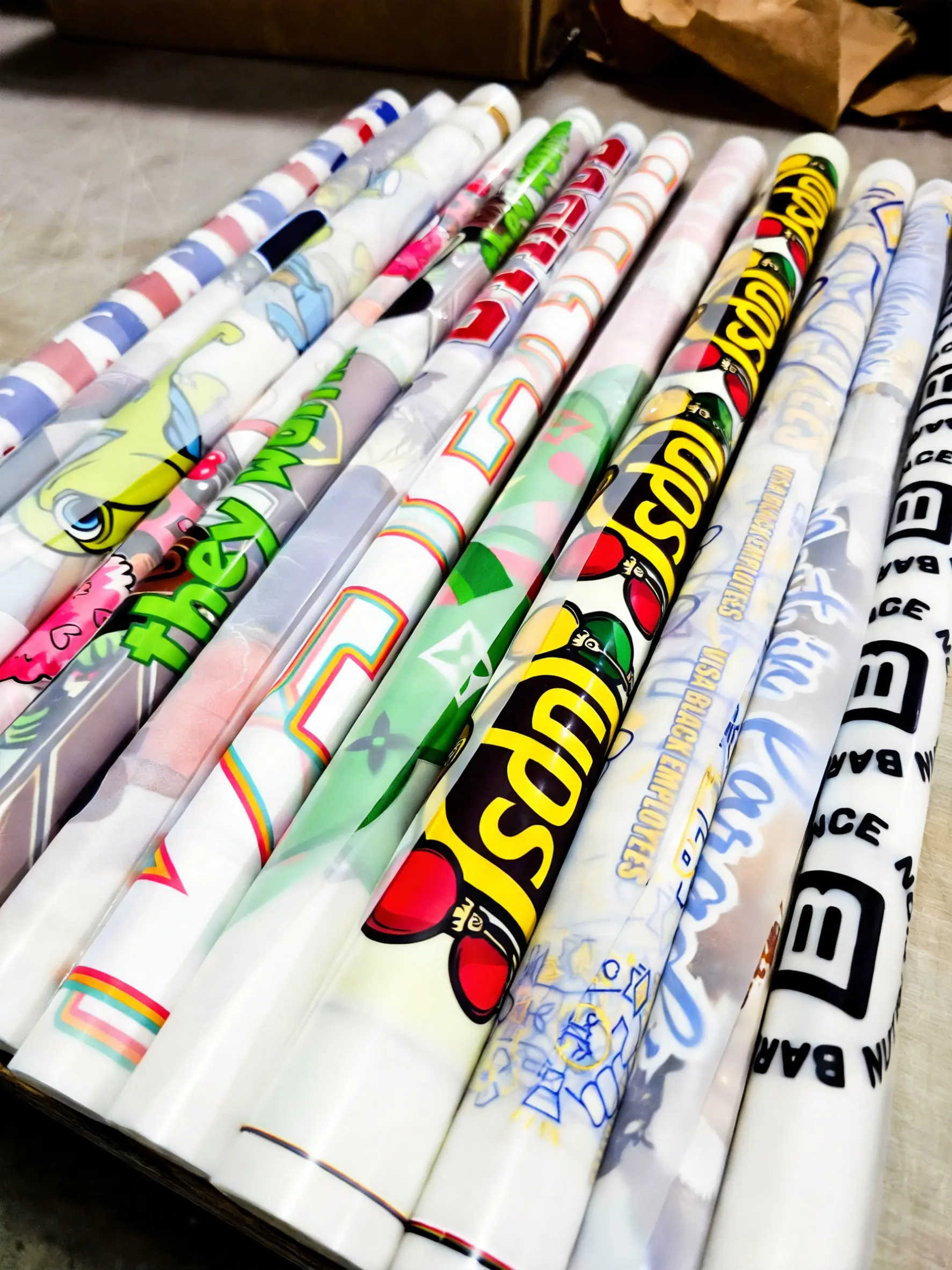
How Gang Sheet Pricing Works
Individual DTF prints are priced as separate pieces. A left-chest logo, sleeve mark, back graphic, and alternate size can each carry its own cost. With combined printing, multiple designs share one 22.5-inch-wide canvas, and you pay for the space rather than every design separately.
That difference creates the opportunity to save. The sheet can hold large back designs alongside smaller pocket prints, neck labels, and sleeve logos. Efficient nesting turns areas that would otherwise be empty into usable transfers.
When a Gang Sheet Saves the Most
The strongest value appears when you can fill most of the printable area. This works especially well for small businesses, Etsy sellers, apparel brands, merchandise creators, event organizers, and print shops that need repeat designs.
- You need several graphics or sizes in one order.
- You can add copies of designs you expect to sell again.
- You are batching multiple customer jobs together.
- You can rotate and nest artwork without overlap.
- You have enough time to prepare and review the layout.
A Typical Cost-Saving Example
A customer needs ten small shirt designs. Ordering every transfer individually means paying for ten pieces. A properly packed 22.5-by-24-inch gang sheet may hold all ten, reducing the average cost of each design. Exact pricing depends on the selected length and current product options.
Why Empty Space Costs Money
Customers sometimes upload only one or two graphics, center everything, or leave large gaps at the bottom. In that situation, the layout may stop being economical because unused film is still part of the purchased area.
The customers who save the most pack designs deliberately, mix sizes, and add useful repeats. They leave enough cutting room without creating oversized gaps. For layout recommendations, use our Merchant DTF Sizing Guide.
When Individual Prints Make More Sense
A gang sheet is not automatically the cheapest option for every order. Individual transfers may be faster and simpler when you need one large design, only one or two pieces, or artwork that already fills most of the available canvas. They also work well when you do not have enough finished graphics to build an efficient layout.
The goal is to choose the ordering method that fits the job—not to force a small request into a larger sheet.
Choosing a Practical Sheet Size
SpeedE Transfers offers multiple lengths with a 22.5-inch width. Smaller lengths are useful for testing products and fulfilling compact orders. Common 24- and 36-inch options provide enough room for several designs without a large upfront commitment. Longer 48- or 60-inch formats can reduce the cost per print when they are filled efficiently.
The larger the gang sheet you can genuinely fill, the greater the potential savings. Ordering extra length without enough artwork does not create the same advantage.
How Experienced Sellers Plan Production
New customers often upload one design at a time and create a new order whenever inventory runs low. Experienced sellers plan production runs, batch related jobs, rotate graphics, and include repeats of proven sellers. This turns the format from a simple ordering choice into an inventory and margin tool.
One customer initially bought ten small logos as separate transfers and reordered often. After moving the same artwork onto a single gang sheet and adding future copies, the customer lowered the total cost and reduced the number of weekly orders.
7 Ways to Lower Your Cost Per Print
- Measure every design at its intended garment size.
- Use high-resolution files at 300 DPI with transparent backgrounds.
- Place the largest artwork first, then fill the remaining gaps.
- Rotate compatible designs to use narrow spaces.
- Leave only the cutting space you actually need.
- Add repeat copies of artwork you expect to use soon.
- Review dimensions, quantities, spacing, and transparency before checkout.
These steps help a gang sheet deliver the savings customers expect while protecting print quality and making transfers easier to separate.
Why Customers Choose SpeedE Transfers
Price matters, but consistent color, sharp detail, reliable turnaround, and accessible support matter too. SpeedE Transfers offers no-minimum ordering, Austin pickup, fast production options, and professional DTF printing for both new sellers and established brands.
Our team helps customers choose between individual transfers and combined layouts based on the artwork, quantity, timing, and production goals of the order.
Frequently Asked Questions
Are combined sheets always cheaper?
No. Savings depend on how much printable space you use. One isolated design may cost less as an individual transfer.
What designs should I combine?
Mix large front or back graphics with small neck labels, sleeves, pocket marks, and repeat copies. Keep all artwork separated and within the printable boundary.
How much space should I leave?
Leave enough room to cut each transfer cleanly. Avoid both touching artwork and unnecessarily wide gaps.
Final Verdict
Yes, a gang sheet is usually cheaper than individual DTF prints when you order several designs or sizes and use the printable area well. The biggest savings come from planning ahead, nesting artwork efficiently, and treating each order as a production run rather than a collection of unrelated pieces.
If you print regularly, sell merchandise, or are growing an apparel brand, this approach can lower costs, increase margins, and simplify repeat production.
Ready to Compare Your Options?
Build a gang sheet online or upload a completed layout for professional printing.
Build Your Layout Upload Your FileAbout the author: Valerie Azurin is part of the SpeedE Transfers team in Austin, Texas, specializing in Direct-to-Film printing and custom apparel production. Follow SpeedE Transfers on Facebook.